
Analyzing Professor Wole Soyinka’s Comment on Peter Obi’s Competence: A Critical Perspective
By Oluwaseyi Oduyela
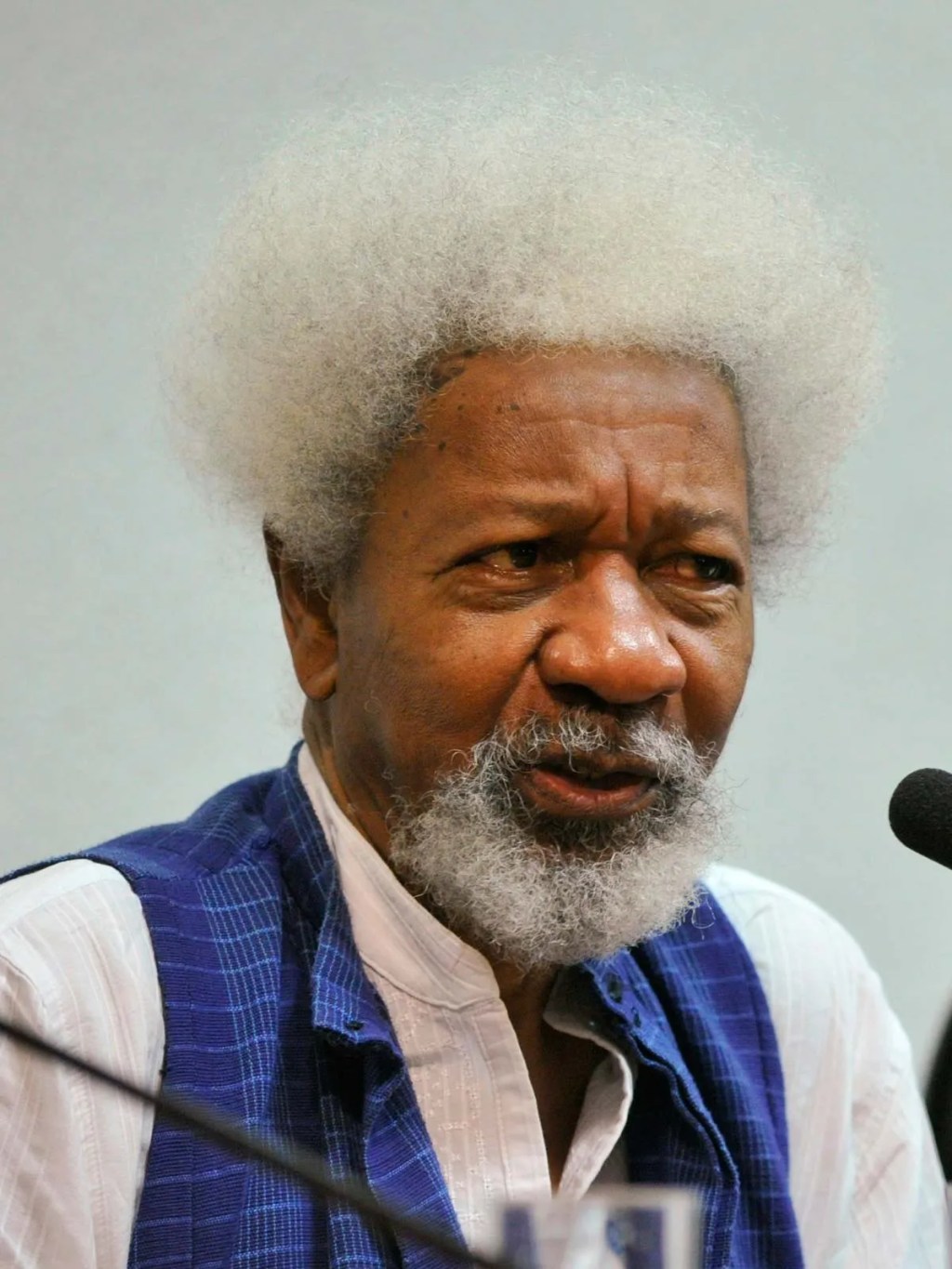
Recently, Professor Wole Soyinka asserted that Peter Obi is not competent to govern Nigeria, prompting a polarized reaction from the public. The criticism predominantly came from the Eastern region, while the Western region largely defended Soyinka. However, it is essential to analyze Soyinka’s comment without ethnic bias.
As a Yoruba individual, I acknowledge Soyinka’s significant academic contributions, though it is crucial to recognize that his intellectual prowess does not render him infallible. Even the most esteemed academics can make mistakes. Many of my Yoruba peers may need to differentiate personal admiration from objective analysis. Soyinka, despite his stature, has made controversial statements in the past. For instance, during Gbenga Daniel’s tenure as the governor of Ogun State, Soyinka praised him as one of Nigeria’s best governors. However, Daniel’s administration was later criticized for its detrimental impact on the state’s education system, a detail Soyinka seemed unaware of at the time.
Moreover, Soyinka urged Nigerians to support Muhammadu Buhari in 2015, only to later criticize Buhari’s administration. Similarly, he advised Bola Tinubu against running for office, then later admitted his mistake when Tinubu proceeded. I share Soyinka’s view that Peter Obi lacks competence, but my critique extends beyond competence to sincerity. Obi’s political journey, marked by shifts from APGA to PDP and then to the Labour Party, suggests a pursuit of power over principles, mirroring the tendencies of politicians like Tinubu and Atiku, who are products of a corrupt system.
Soyinka, given his statesman status, should recognize that Nigeria’s issues are systemic rather than purely leadership based. His public condemnation of Obi could be perceived as biased, especially considering his Yoruba heritage. It is surprising that Soyinka has not acknowledged the controversies surrounding Tinubu, including the EFCC’s summons in 2020 and the removal of the EFCC chair following Tinubu’s presidential inauguration. Such details cannot be overlooked by an informed observer.
Elders and statesmen like Soyinka should exercise caution in their public statements. Soyinka’s inconsistency over the years, from his endorsement of Gbenga Daniel to his fluctuating stance on political figures, undermines his credibility. He has yet to address Daniel’s governance failures and the accompanying corruption allegations, casting doubt on his impartiality.
If Chinua Achebe were alive, it is doubtful he would engage in political commentary as Soyinka does. Elders often choose their words carefully, opting for more measured expressions of their views. Thus, while Obi’s supporters may find offense in Soyinka’s condemnation, and his followers (Soyinka’s) may staunchly defend him, it is crucial to recognize that Soyinka’s opinions are not beyond reproach.
In conclusion, Soyinka’s statement on Obi could have been delivered more thoughtfully, avoiding direct attacks while remaining critical. His pattern of inconsistencies necessitates a more discerning examination of his comments and positions. Ultimately, the focus should be on systemic reform rather than individual leadership critiques.
I offer this perspective in the spirit of constructive dialogue and peace.
 Africanreporter
Leave a comment