By Oluwaseyi Oduyela
Nigeria’s Debt Crisis: A Climb Fueled by Mismanagement and Extravagance
By Oluwaseyi Oduyela
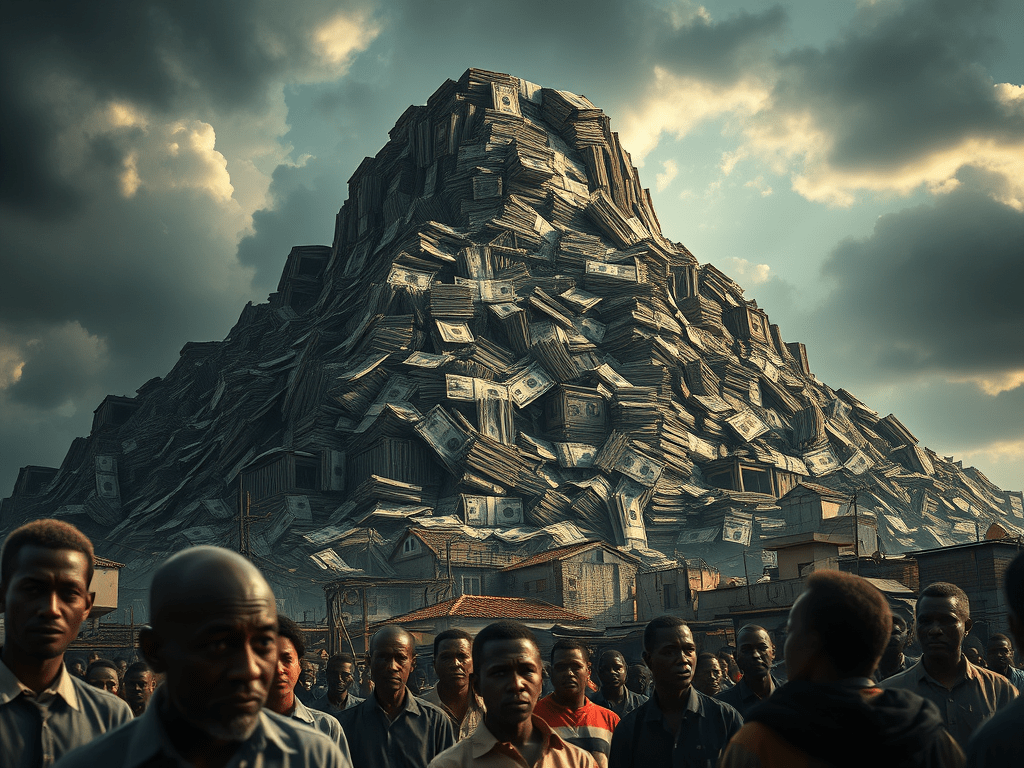
 According to an article published by Aaron O’Niell in the Statista, Nigeria’s national debt is projected to reach $173.54 billion by 2029, marking an 84.1% increase from 2024. This unrelenting climb highlights systemic challenges that extend beyond economic pressures. While other African nations grapple with debt issues rooted in structural deficiencies, Nigeria faces a severe debt crisis. The crisis is heavily exacerbated by poor governance. Additionally, unchecked extravagance and a culture of fiscal irresponsibility among its leaders worsen the situation.
Why is Nigeria’s Debt Climbing?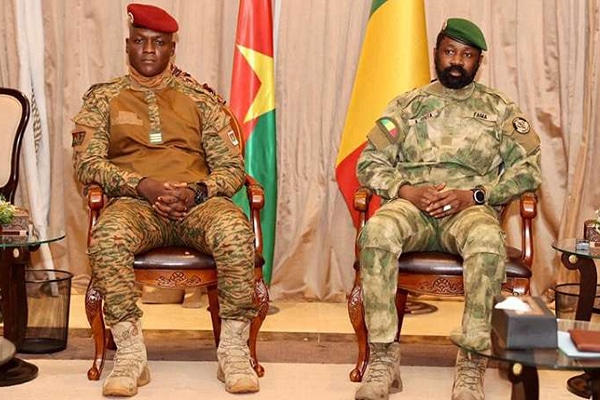
Nigeria’s escalating debt is primarily due to frivolous spending. This spending is prioritized over debt repayment and developmental needs. While millions of Nigerians face poverty, food insecurity, and unemployment, the country’s leaders assign vast sums to non-essential expenditures:
1. Luxury Presidential Jets:
Nigeria’s government continues to keep a costly presidential fleet, with new acquisitions in recent years adding to the financial strain. Funds that tackle pressing infrastructure gaps are instead diverted toward these luxuries.
2. Extravagant Spending by the National Assembly:
Members of the National Assembly routinely approve exorbitant budgets for themselves, often justifying them as necessary operational expenses. The buying of luxury official cars drains public resources. Frequent overseas trips also divert funds away from critical areas. These areas include education, healthcare, and infrastructure.
3. Poor Fiscal Discipline and Accountability:
Corruption and fiscal mismanagement are deeply entrenched in Nigeria’s governance system. Billions of naira are lost annually through inflated contracts. Many projects stay unexecuted. Unregulated allowances for government officials add to the problem. This further cripples the country’s ability to repay its debts.
4. Ineffective Debt Servicing and Diversification:
With debt servicing consuming a significant part of Nigeria’s revenue, the country struggles to make meaningful repayments. The economy is vulnerable because of the over-reliance on oil exports. Fluctuations in global oil prices affect it significantly. Efforts to diversify stay inadequate.
How Does Nigeria Compare to Ghana, Mali, Burkina Faso, and Benin?
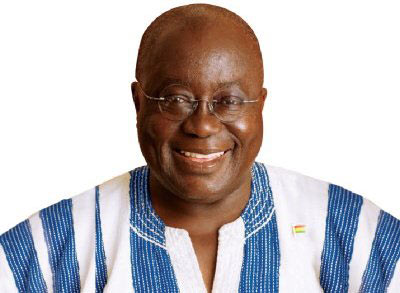 – Ghana: While Ghana also faces a debt crisis, its government has actively pursued debt restructuring under the IMF. Unlike Nigeria, Ghana’s debt issues stem more from economic pressures than from mismanagement or wasteful spending.
– Mali and Burkina Faso: Both nations deal with debt challenges tied to security crises and limited economic capacity. Yet, their smaller economies and less extravagant leadership expenditures show a stark contrast to Nigeria’s indulgent spending habits.
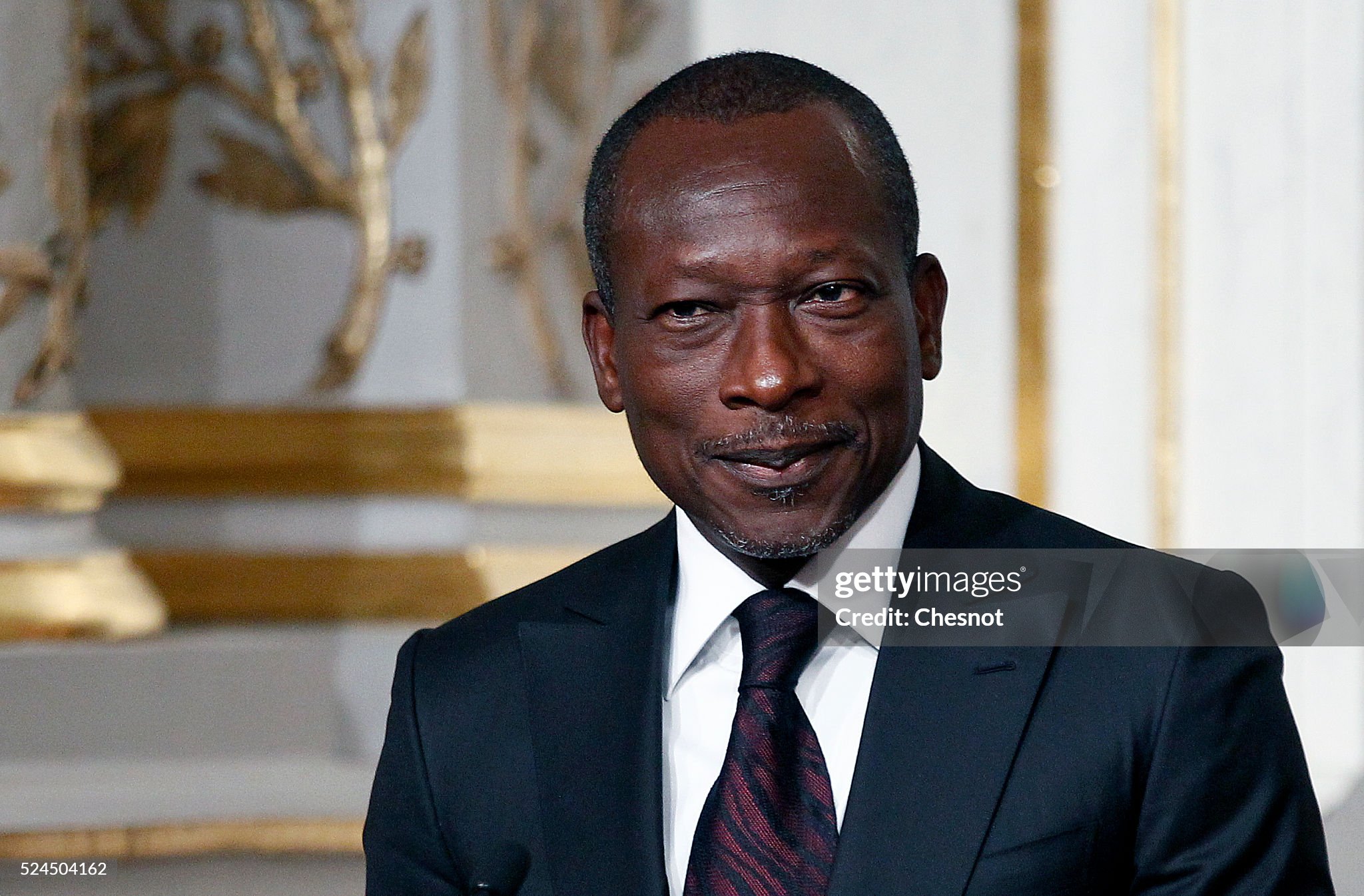 – Benin: Benin’s government exemplifies fiscal discipline. Its investments are targeted toward trade and infrastructure development, ensuring a controlled debt profile. Unlike Nigeria, Benin avoids luxury expenditures, focusing instead on sustainable growth.
What Needs to Change in Nigeria?
1. Prioritize Debt Repayment:
Leaders must channel resources into reducing debt rather than increasing it through wasteful expenditures. A budgetary shift toward debt servicing and developmental projects is crucial.
2. Cut Extravagance:
The government must slash unnecessary spending, like maintaining a presidential fleet or purchasing luxury cars for officials. Fiscal discipline at all levels of government is imperative.
3. Tackle Corruption:
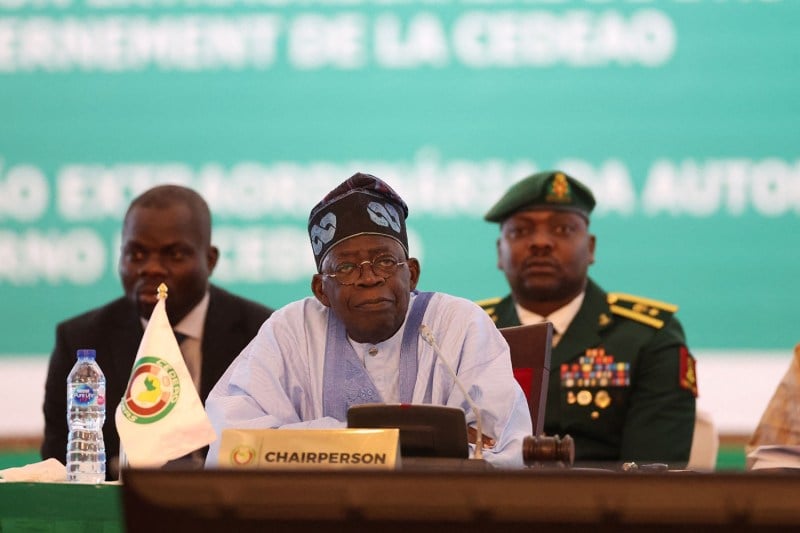
Nigeria needs stricter anti-corruption measures to prevent the diversion of public funds. Transparent governance and accountability mechanisms must be established and enforced. The President has a case with EFCC. The Senate President also has an open case. The same man accused the president of corruption in 2007. Now, he serves as the National Security Adviser to the same “corrupt politician.” When you want to fight corruption and corruption is counter-fighting you………
4. Diversify the Economy:
Moving beyond oil dependency is essential. Investments in agriculture, technology, and manufacturing will stabilize revenue streams and reduce reliance on borrowing.
Conclusion
Nigeria’s ballooning debt is not just an economic issue but a symptom of systemic governance failures. Nations like Ghana, Mali, Burkina Faso, and Benin face debt challenges. Nigeria faces a worse situation due to frivolous expenditures. It also struggles with poor fiscal discipline. The government must focus on accountability. It should cut wasteful spending and invest in economic diversification. Otherwise, the country risks plunging into a deeper financial crisis. The time for action is now—Nigeria can’t afford another decade of unchecked debt growth fueled by mismanagement and extravagance.
 Africanreporter
Leave a comment