
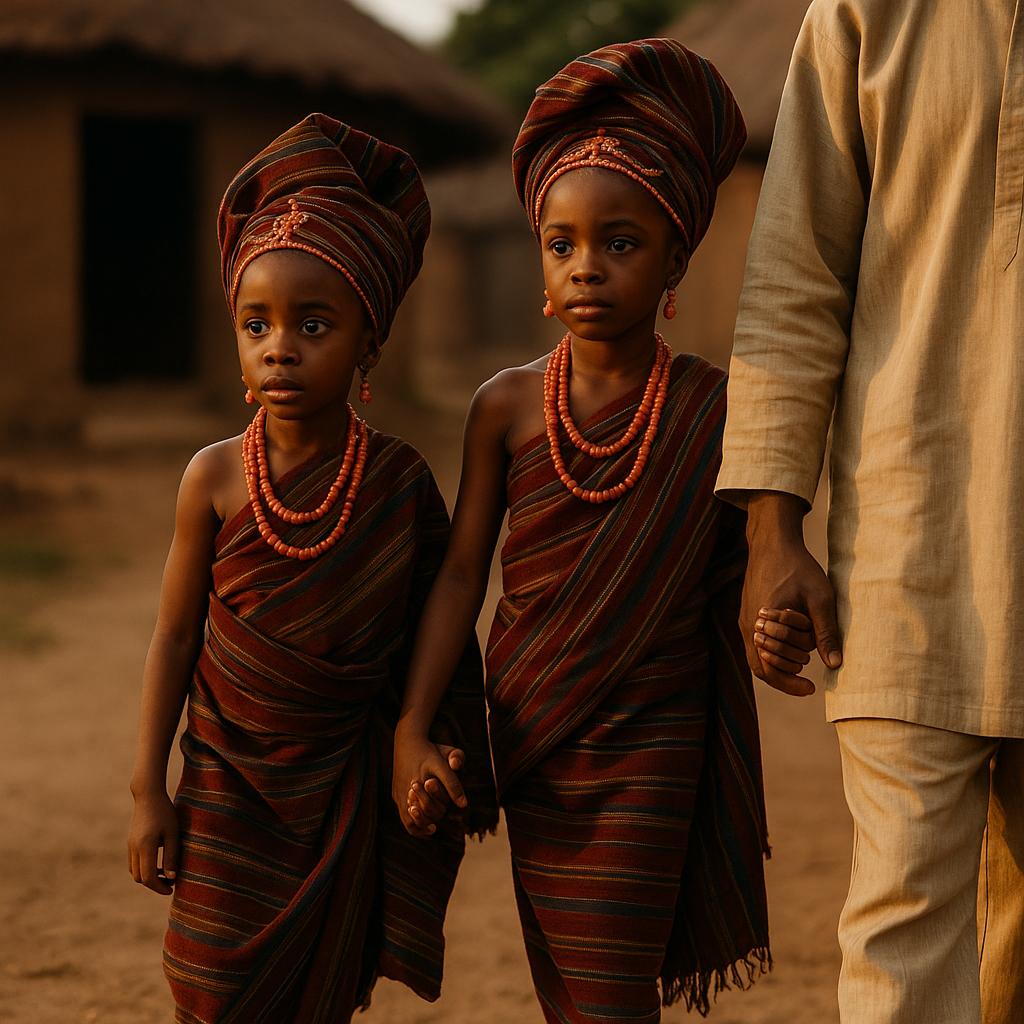
Early Childhood Marriage Among Traditional Worshipers in Southwest Nigeria By Otun Adeosun
Introduction
Early childhood marriage is defined as the union of individuals under the age of 18. It remains a persistent social issue in Nigeria. This issue is particularly prevalent among traditional worshipers in the Southwest region. Deeply rooted cultural and religious beliefs drive this practice. They often perpetuate gender inequality. These beliefs compromise girls’ health and deprive them of educational and economic opportunities.
Cultural and Religious Influences
In Southwest Nigeria, early marriage is sometimes upheld among adherents of indigenous Yoruba religions. Religions like Ifá and Òrìṣà worship consider it a continuation of ancestral customs. It is often believed that marrying girls at a young age preserves their purity. It also ensures obedience. Additionally, it aligns with spiritual instructions received through divination. In some cases, early marriage is considered a means of strengthening family alliances. It also fulfills religious obligations believed to sustain harmony between families and the spiritual realm.
Consequences of Early Childhood Marriage
- Health Risks
Young brides face greater risks of complications during pregnancy and childbirth. These include obstetric fistula and maternal mortality. Their bodies are often not physically mature enough for safe reproduction. - Educational Disruption
Early marriage often leads to school dropout, limiting girls’ ability to pursue higher education or gain economic independence. - Psychological and Social Effects
Many child brides face emotional trauma, domestic abuse, and the loss of personal autonomy. These experiences often result in long-term emotional and psychological distress. - Perpetuation of Poverty
Child brides often have limited access to education. Their economic opportunities are also restricted. As a result, they are more to stay in intergenerational cycles of poverty.
Legal and Social Interventions
Nigeria’s Child Rights Act (2003) sets the lowest legal age for marriage at 18. However, enforcement remains weak, particularly in rural and traditional communities—and is increasingly challenged even in urban settings. In response, some state governments in the Southwest have launched awareness campaigns in collaboration with religious and community leaders. Despite these efforts, the trend continues largely unchecked as of 2025, suggesting that such interventions have had minimal tangible impact.
Conclusion
Early childhood marriage among traditional worshipers in Southwest Nigeria is a complex issue rooted in cultural and religious traditions. These practices are significant to identity and heritage. Yet, their impact on the well-being of young girls is profound and far-reaching. Tackling this issue requires a multi-faceted approach. It includes genuine enforcement of existing laws and investment in girls’ education. It also involves community-based engagement that fosters cultural dialogue and gradual change. This must happen without dismissing the value of traditional beliefs.
 Africanreporter
Leave a comment