
The Fraudulent Takeover of Intercontinental Bank: A Deeper Look into the Bukola Saraki and Sanusi Lamido Sanusi Conspiracy- The Case EFCC cannot Crack
By Seyi Oduyela
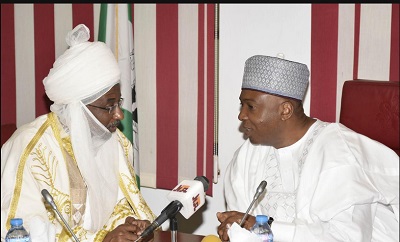
The controversial acquisition of Intercontinental Bank by Access Bank remains one of the most contentious moments in Nigeria’s banking history. Sanusi Lamido Sanusi was touted as a reformer and a no-nonsense Governor of the Central Bank. His involvement in this deal, along with the pivotal role played by Dr. Bukola Saraki, reveals a different side to the former CBN governor. This report shows how political influence played a role. It shows how personal interests influenced decisions. Financial maneuvering resulted in one of the most significant corporate scandals in Nigeria’s financial sector.
The Genesis: A Power Play in Leadership
In 2009, the tenure of then-CBN Governor Charles Chukwuma Soludo came to an end. A cabal surrounding the late President Umaru Musa Yar’Adua influenced the decision not to renew his term. Instead, Sanusi Lamido Sanusi was appointed as Soludo’s successor. Soludo was a key figure in Nigeria’s financial landscape. He served as Chief Economic Adviser. He was also the CEO of the National Planning Commission under President Obasanjo. His reforms had positioned the banking industry for stability, but his exit marked the beginning of a new era of questionable activities.
Just weeks into his tenure as CBN Governor in June 2009, Lamido ordered a review of five banks—AfriBank, FinBank, Intercontinental Bank, Oceanic Bank, and Union Bank. Interestingly, Intercontinental Bank had recently passed a thorough examination with favorable results. Despite this, Lamido’s team reclassified the bank’s performance as “non-performing.” This sudden shift raised suspicions, particularly as Intercontinental Bank was a major player in the industry, with a balance sheet of approximately ₦1.7 trillion.
Saraki’s Influence and Hidden Agenda
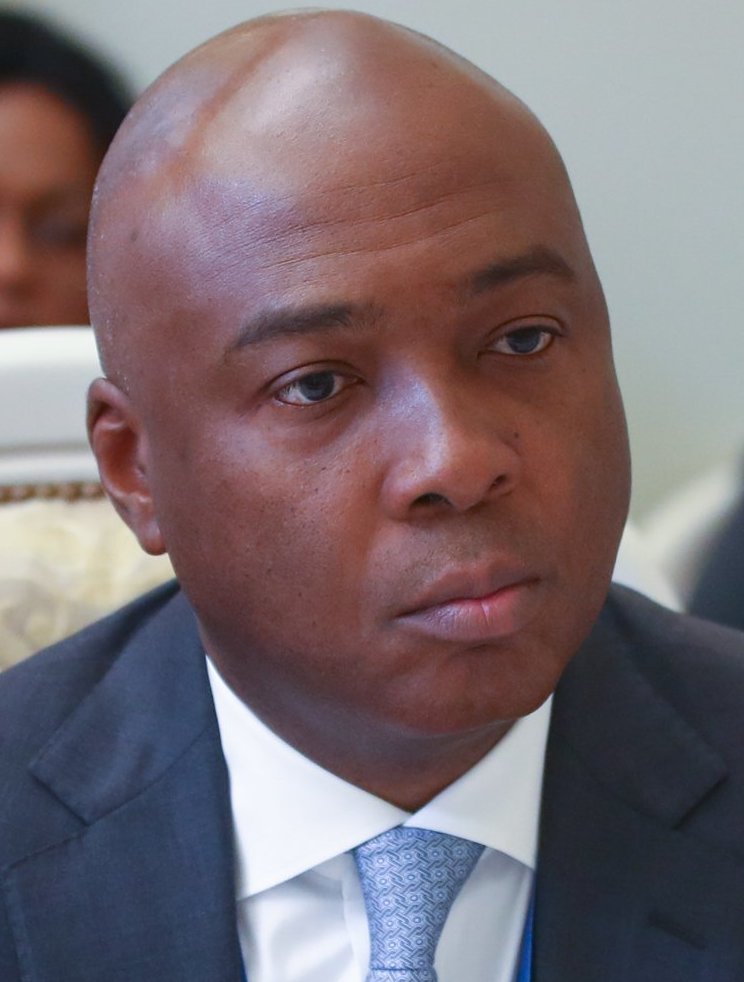
Investigations reveal that Bukola Saraki, then Chairman of the Governors’ Forum, played a significant role in replacing Soludo with Lamido. Saraki’s interest stemmed from his financial dealings with Intercontinental Bank. Using his company, Joy Petroleum, and other affiliates—Skyview Properties Ltd, Limkers Ltd, Dicetrade Ltd, and Carlisle Properties—Saraki secured an ₦11 billion loan from the bank. These loans were collateralized with prime real estate properties, including houses in Ikoyi and Abuja.
Once Lamido assumed office, he appointed Lai Mahmoud Alabi—Saraki’s former associate—as the Acting Managing Director of Intercontinental Bank. Under Alabi’s leadership, ₦8.1 billion of Saraki’s debt was written off, a move criticized as a “cash gift” in a subsequent CBN examination report. Adding to the controversy, the collateral for the loans was returned to Saraki, raising further questions about the integrity of the transaction.
The Erosion of Intercontinental Bank
Before Lamido’s intervention, Intercontinental Bank had no significant indebtedness to the CBN and maintained inter-bank takings of ₦73 billion. By the time the bank was sold, it owed the CBN ₦100 billion and other banks ₦300 billion. Despite claims by Lamido that ₦100 billion had been injected to stabilize the bank, its balance sheet showed otherwise, with assets totaling ₦1.6 trillion, 330 branches, two foreign subsidiaries, 12,000 employees, and a paid-up capital of ₦230 billion.
Access Bank’s Controversial Acquisition
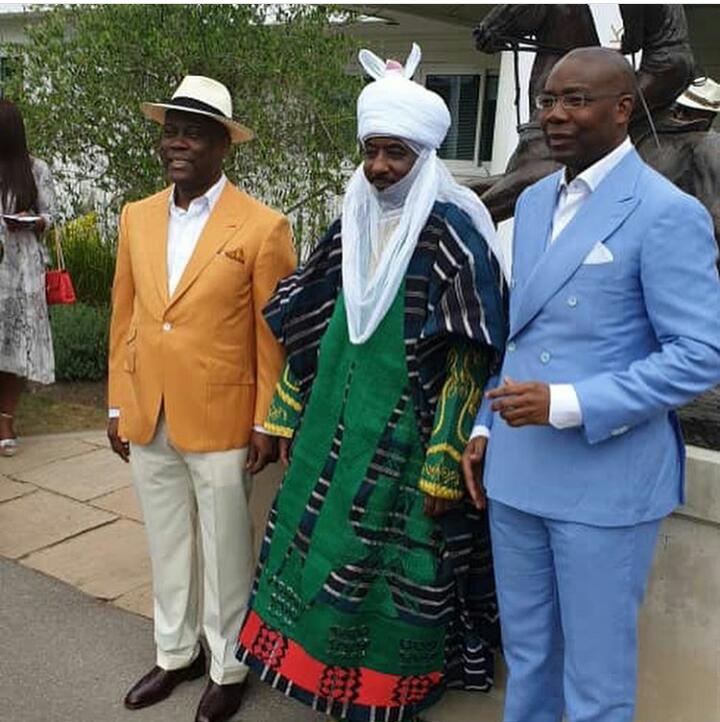
In 2011, Aigboje Aig-Imoukhuede, founder of Access Bank, and his partner Herbert Wigwe entered the picture. As debtors of Intercontinental Bank, they had previously borrowed ₦16 billion through United Alliance Company of Nigeria. Using a series of delays, they avoided repayment until Lamido’s CBN orchestrated the bank’s sale.
Further investigation revealed that Aig-Imoukhuede sourced ₦50 billion from the Bank of Industry (BoI), led at the time by his mother-in-law, Evelyn Oputu. In a brazen move, the funds were first deposited into Intercontinental Bank’s account. They were used to acquire the bank and then swiftly returned to the BoI. This transaction essentially ensured Access Bank paid nothing for the acquisition.
The Aftermath
The fraudulent acquisition left a trail of devastation. Thousands of employees lost their jobs, stakeholders were marginalized, and the integrity of Nigeria’s financial system was called into question. Meanwhile, those at the helm—Lamido, Saraki, Aig-Imoukhuede, and their associates—benefited immensely from the scheme.
The EFCC is still investigating Evelyn Oputu’s in relations to her role as Bank of Industry CEO and how she ran the organization, but the broader implications of this scandal continue to resonate. The Access Bank-Intercontinental Bank saga exemplifies how political and financial interests can erode trust in key institutions.
Conclusion
This story serves as a stark reminder of the importance of accountability and transparency in governance and business. It is not just a tale of financial impropriety, but a reflection of how systemic failures can undermine public trust and destabilize entire sectors.
 Africanreporter
Leave a comment