

By Oluwaseyi Oduyela
A surveillance helicopter flying over Oyo State while local security outfits remain constitutionally limited captures the contradiction at the heart of Nigeria’s security structure. A state can invest heavily in intelligence gathering, patrol logistics, and grassroots security architecture, yet still lack full policing authority over its own territory. That contradiction raises an important question: if states are trusted to fund security, why are they not trusted to fully manage parts of it?
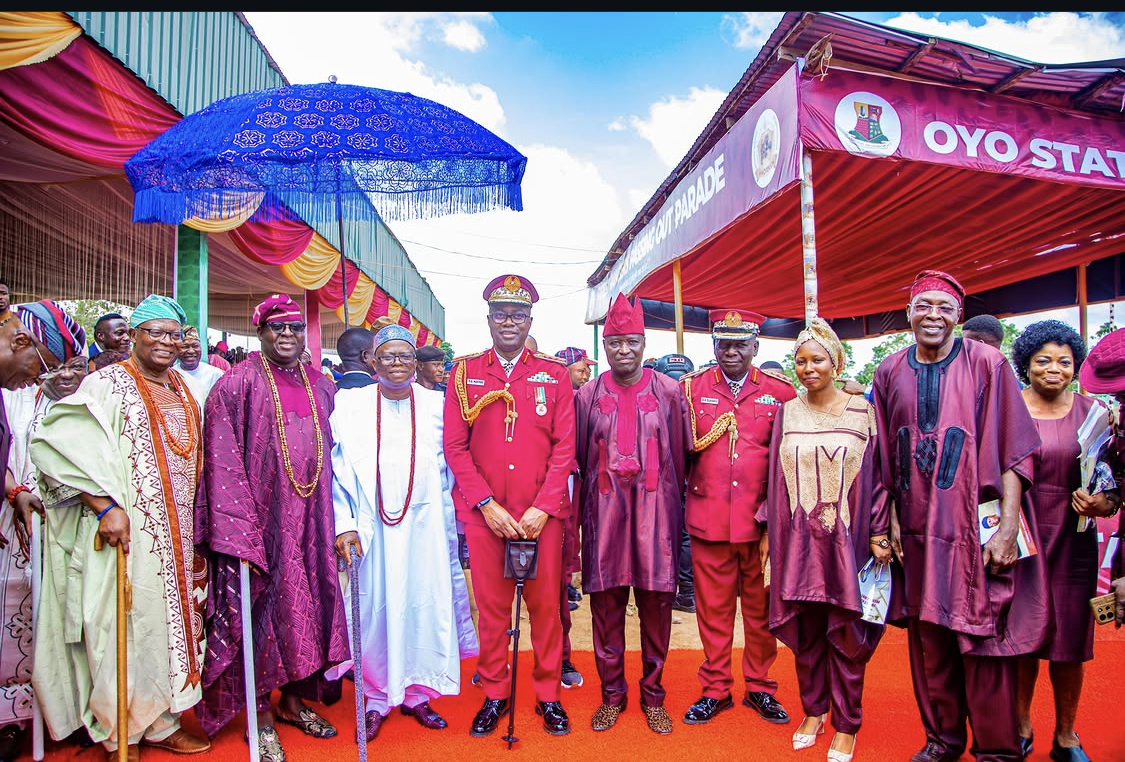 Oyo State offers one of the strongest cases for genuine local policing in Nigeria.
A functional federal system should not treat security as a one-directional structure controlled solely from Abuja. Real federalism works through layers of responsibility:
The state has already shown willingness to invest in security through initiatives such as the Amotekun Corps, surveillance infrastructure, patrol vehicles, and intelligence coordination. But these efforts still operate within a restricted framework because operational policing power remains concentrated at the federal level under the Nigeria Police Force.
- city policing
- local government policing
- state policing
- federal policing
Each level addresses different security realities.
The security needs of Ibadan are not identical to those of Oke Ogun, Ibarapa, Ogbomoso, or rural border communities vulnerable to kidnapping and illegal arms movement. Local policing allows security systems to reflect local realities, local languages, local intelligence, and local response patterns.
One of the greatest advantages of local policing is speed and familiarity. Officers recruited from local communities understand terrain, dialects, social networks, and conflict patterns better than centrally deployed officers unfamiliar with the environment. Intelligence becomes more effective when communities see security institutions as part of their society rather than distant federal structures.
Beyond security, local policing could become a major economic driver for Oyo State.
A properly structured state, city, and local policing system would create thousands of direct and indirect jobs:
- police officers
- dispatch operators
- forensic analysts
- cybercrime investigators
- drone operators
- aviation personnel
- emergency responders
- legal officers
- data analysts
- training personnel
- maintenance and logistics workers
That means salaries circulating within the local economy, increased purchasing power, and expanded tax revenue. Instead of depending almost entirely on federal allocation, states would begin developing security-linked economic ecosystems capable of supporting broader internal revenue generation.
Security itself is also an economic policy.
Businesses invest where security is stable. Farmers cultivate more land where kidnapping risks decline. Tourism grows where highways are safer. Transportation networks become more reliable. Markets stay open longer. Investors gain confidence. Insurance risks reduce. Economic productivity rises.
No serious economy develops sustainably under chronic insecurity.
Ironically, states already spend enormous amounts supporting federal security agencies through vehicles, fuel, office construction, allowances, communications equipment, and intelligence logistics. Yet they still lack final operational authority. This creates a system where states bear growing financial responsibility without corresponding constitutional control.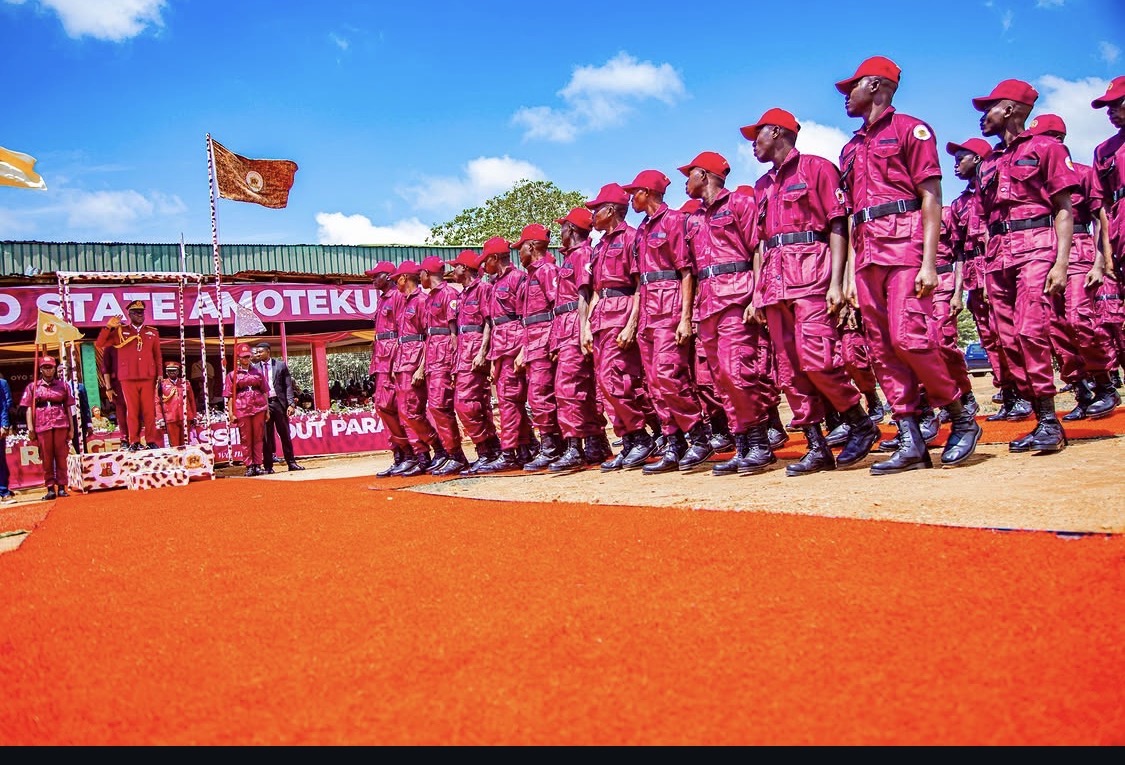
Critics fear that governors may abuse state police for political purposes. But abuse of power is not exclusive to local authorities. Nigerians have also witnessed accusations of federal security intimidation, selective enforcement, politically motivated arrests, and uneven deployment of national security assets. The answer to abuse is not overcentralization. The answer is strong institutions:
- independent courts
- civilian oversight boards
- constitutional safeguards
- transparent recruitment
- legislative supervision
- professional training standards
A nation truly serious about security does not centralize every policing function in a country as large and diverse as Nigeria. It builds coordinated security layers where communities, cities, states, and the federal government all share responsibility.
If Oyo State can fund surveillance helicopters, maintain Amotekun, purchase patrol equipment, and coordinate intelligence operations, then the debate should no longer be whether states are capable of participating in policing. The real debate is whether Nigeria’s current structure still reflects the realities of modern security challenges.
Effective national security is not measured by how much power is concentrated at the center. It is measured by how quickly and effectively security reaches the people at the local level.
 Africanreporter
Leave a comment